
Categories
Homeowner, Market Updates, SellingPublished May 18, 2026
Eau Claire Home Prices in 2026: What Sellers Need to Know Right Now

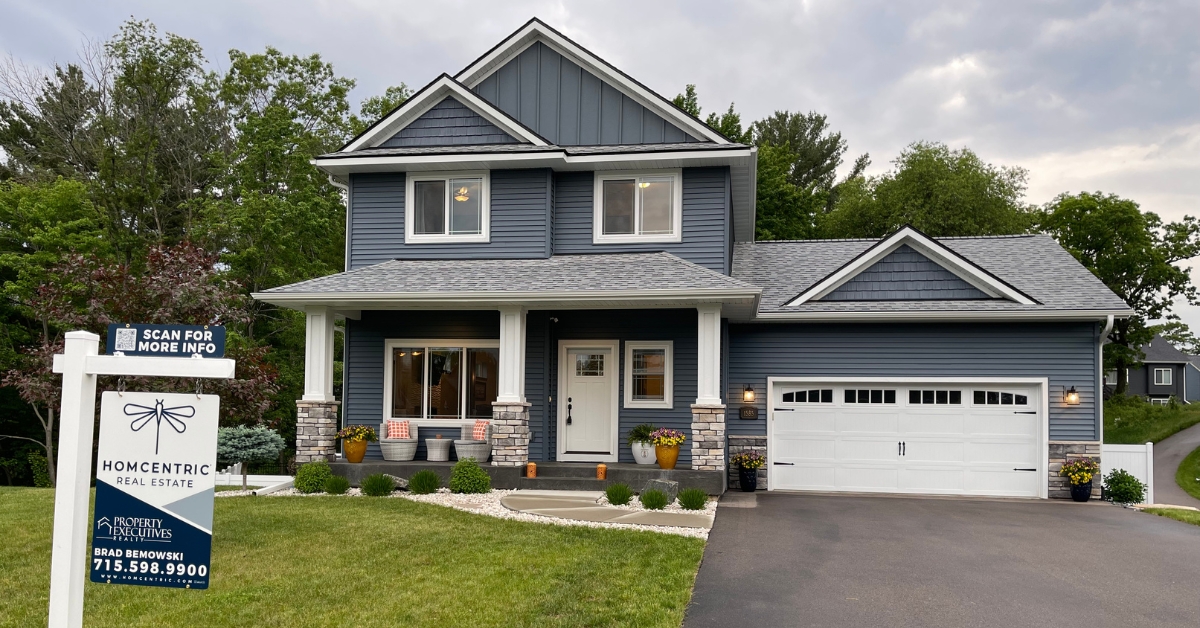
The Eau Claire housing market in spring 2026 looks different than it did a year ago, and sellers who are pricing based on what they remember are starting to feel it.
According to current MLS data from the Realtors Association of Northwestern Wisconsin (RANWW), the average sold price across Altoona, Eau Claire, and Chippewa Falls is $345,845. Homes are taking an average of 84 days from accepted offer to close, and the market is carrying 4.3 months of inventory.
That's not a crash. But it is a more demanding market. What some are calling softening is really the end of a window where strong demand covered up weak pricing. Buyers have more choices now, overpriced homes are easier to spot, and pricing strategy matters more than it has in a while.
Key Takeaways
- The average sold price across the Chippewa Valley is $345,845, based on the last 6 months of RANWW MLS data.
- Homes are taking an average of 84 days from accepted offer to close — build that into your timeline.
- The market is carrying 4.3 months of inventory. Buyers have real choices and aren't making rushed decisions.
- Sellers who priced accurately are closing at 99.1% of their final list price. Sellers who overpriced are landing at 97.2% of their original ask — giving back money before negotiations even start.
- Price range matters more than people realize. The $200k–$500k segment sits at 3.8 months supply. Above $500k, that number jumps to 8.8 months — a different market entirely.
What Does the Current RANWW Data Actually Show for Eau Claire Home Prices in 2026?
The most recent 6-month sold data from RANWW covers Altoona, Eau Claire, and Chippewa Falls as a combined market. The average sold price is $345,845. Active listings are currently sitting at 71 days on market before going under contract, and sold homes averaged 84 days from accepted offer to close. There are 374 active listings, 31 pending, and an 8% pending ratio. Over the last 6 months, 526 homes sold — about 88 per month.
The sale-to-list ratio is 99.1% based on final list price. That sounds strong, and it is — for sellers who priced correctly. But when you measure sold price against the original list price, that ratio drops to 97.2%. That gap is where the story lives. Sellers who started too high, sat on the market, and eventually reduced are netting less than they would have with an accurate price from the start. The market isn't crashing. It's just stopped covering up mistakes.
Total inventory at 4.3 months of supply puts the Chippewa Valley in balanced territory — not a seller's market, not a buyer's market. For sellers, that means competition is real and buyers have enough options to walk away from anything that doesn't feel like fair value.
Is the Eau Claire Real Estate Market Slowing Down or Just Shifting?
Shifting is the more accurate word. Eighty-eight homes are selling per month across the Chippewa Valley — that's not a slow market. The 8% pending ratio means only a slice of active inventory is moving at any given moment, which tells you something: buyers are selective, not absent. They're comparing options carefully before committing.
Mortgage rates have been hovering in the mid-6% range, with the 30-year fixed averaging 6.36% as of May 14, 2026, according to Freddie Mac's Primary Mortgage Market Survey. Buyers have largely adjusted to that reality. They're not waiting for rates to drop back to 3%. What they're not willing to do is overpay for a home in a market where they finally have alternatives.
The sellers doing well right now priced against today's competition. The ones struggling priced against last year's expectations.
How Should Sellers Price Their Home in the Current Eau Claire Market?
Start with the 97.2% figure. That's the average ratio of sold price to original list price across the Chippewa Valley. It means the typical seller who had to reduce their price gave back ground they didn't have to give — and still sold for less than they would have with accurate pricing to begin with. Price reductions have a cost beyond the dollars: they signal to buyers that something is off, and buyers respond with lower offers and more leverage.
The sellers landing at 99.1% of list are the ones who priced based on current comparable sales, not peak-market memory. Those are two very different starting points right now.
Pricing in this market means looking at what homes have actually sold for in the last 60–90 days in your specific price range, not what your neighbor listed for or what Zillow says. Your agent should be building a comparative market analysis from closed sales, with an honest read on where active competition is sitting today. In a market with 374 active listings and a selective buyer pool, that accuracy is what separates a clean sale from a slow grind.
What Should Sellers Expect for Days on Market in Eau Claire Right Now?
Plan for 84 days from accepted offer to close — that's the current RANWW average. Add the 71-day average to get from list to accepted offer, and you're looking at roughly five months from the day you put the sign in the yard to the day you hand over the keys, if you're tracking the averages. Some homes move faster. Others take longer.
The homes moving faster tend to be in the $200k–$350k range, priced accurately, and in solid condition. The homes taking longer tend to be priced above $450k or started too high and had to adjust.
Build the realistic timeline into your plans. If you're also buying, this matters even more — the sequence of sell versus buy has real financial and logistical consequences in a market where things don't move on a two-week timeline. Here's a full guide to deciding whether to sell or buy first in the Chippewa Valley.
What Do Eau Claire Home Prices Look Like by Price Range Right Now?
The overall market averages only tell part of the story. The RANWW price bracket data shows that a seller at $285,000 and a seller at $585,000 are not really competing in the same market — even if both homes are in the Chippewa Valley.
The healthiest activity is in the $200,000 to $500,000 range, where most local buyer demand is concentrated. That segment has 3.8 months of supply and homes are closing at 99.5% of list price when priced correctly. Here's how it breaks down:
| Price Range | Months Supply | DOM (Sold) | % of List |
|---|---|---|---|
| $200k – $300k | 3.1 avg | 75 days | 99.5% |
| $300k – $400k | 4.1 avg | 75 days | 99.5% |
| $400k – $500k | 5.0 avg | 110 days | 99.7% |
| $500k+ | 8.8 | 116 days | 98.1% |
Source: Realtors Association of Northwestern Wisconsin (RANWW) MLS via Area Pro, 6-month sold period as of May 2026.
Once you move above $450,000, supply climbs fast and days on market stretch significantly. The $500k+ segment sits at 8.8 months of supply — that's a buyer's market by any definition. Sellers in that range need to price and present with that reality in mind, not the overall market average.
For sellers in Altoona, Chippewa Falls, and across Eau Claire: know your bracket. The broad market numbers are context. Your price range is your actual competition.
Frequently Asked Questions
What is the average home price in Eau Claire, Wisconsin in 2026?
Based on the most recent 6-month data from the Realtors Association of Northwestern Wisconsin (RANWW), the average sold price across Altoona, Eau Claire, and Chippewa Falls is $345,845. This figure covers the full market across all price ranges. The most active segment — homes priced between $200,000 and $500,000 — is seeing consistent buyer activity, with homes closing near asking price when priced accurately from the start.
Are Eau Claire home prices going down in 2026?
Not across the board. The more accurate description is that pricing has become more sensitive. Homes priced correctly are still closing at 99.1% of final list price, especially in the $200,000 to $500,000 range where buyer demand is strongest. What's changed is that overpriced homes are easier to spot and easier to pass on — buyers have more options now. Sellers who start too high are more likely to sit, reduce, and ultimately sell for less than their original ask, which is what the 97.2% original-to-sold ratio reflects.
How long does it take to sell a house in Eau Claire right now?
Current RANWW data shows an average of 84 days from accepted offer to close, with active listings averaging 71 days on market before going under contract. From list date to closing day, you're looking at roughly five months if you're tracking the market average. Homes in the $200k–$350k range priced accurately tend to move faster. Above $500k, the data shows 116 days DOM on sold homes in that segment, so expect a longer runway.
Is it a buyer's market or seller's market in Eau Claire in 2026?
The overall Chippewa Valley market sits at 4.3 months of supply — balanced territory, not squarely in either camp. But it varies significantly by price range. The $200k–$500k segment is at 3.8 months, which leans toward seller-favorable conditions when homes are priced right. Above $500k, supply hits 8.8 months, which is clearly a buyer's market. The market you're actually in depends on where your home is priced.
Should I reduce my price if my home isn't selling in Eau Claire?
Before reacting, check your days on market against the current average for your price bracket, and look honestly at your showing feedback. The market average for active listings is 71 days before going under contract — if you're well inside that window, it may be too early to move. If you're past it and feedback consistently points to price, a well-timed reduction beats a slow bleed. What the data shows is that sellers who had to adjust their original price ended up at 97.2% of that ask — less than they'd have netted with accurate pricing from day one.
Is it still a good time to sell a home in the Chippewa Valley in 2026?
Yes — with realistic expectations. Eighty-eight homes sold per month across the RANWW market over the last 6 months. Buyers are active. The $200k–$500k range is healthy, and well-priced homes are closing at 99.5% of list. The sellers who struggle right now are the ones pricing for a market that no longer exists. The ones succeeding understand what the current data actually says — and price against today's competition, not last year's memory.
If you're thinking about selling in Eau Claire, Altoona, Chippewa Falls, or anywhere in the Chippewa Valley, this data is a starting point. Your home's price range, condition, location, and what's actively competing against you all factor in.
If you want a clear read on what your home would likely sell for in today's market, reach out and we'll walk through the numbers together. No pressure — just a real pricing conversation based on the market you're actually selling in.
Helping you home.

Brad Bemowski
Realtor and Licensed Real Estate Broker | Brad Bemowski | Homcentric Real Estate, powered by Property Executives Realty
or another way