
Categories
Buying, SellingPublished July 27, 2026
What Happens During a Home Inspection in Eau Claire, WI?

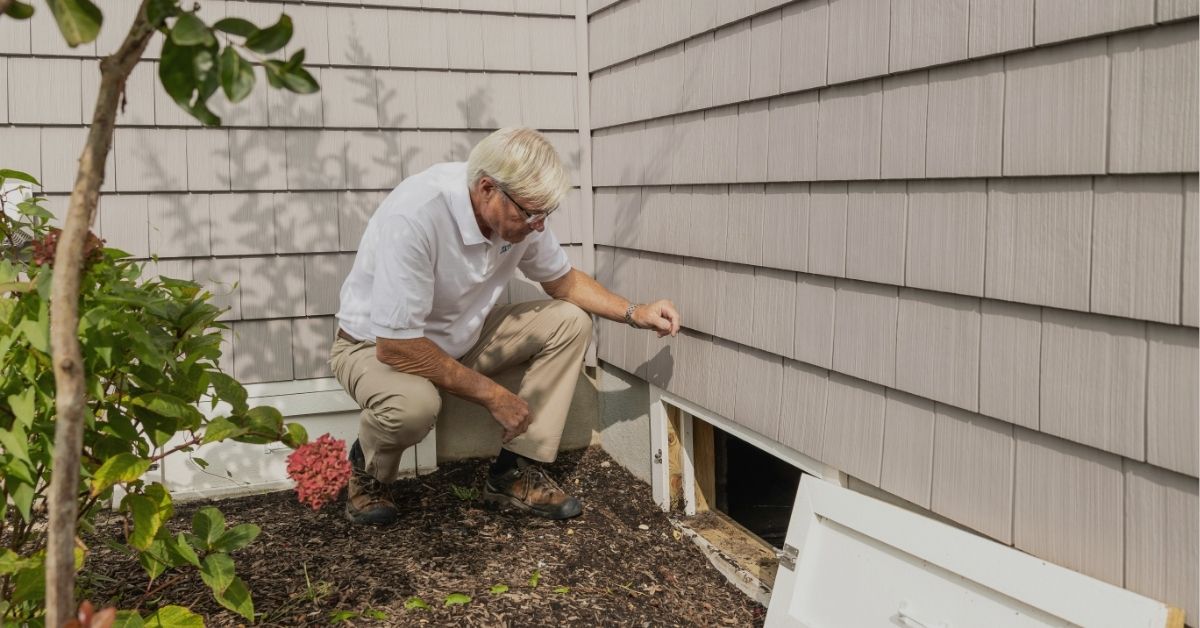
A home inspection in Eau Claire, WI is a 2 to 4 hour visual evaluation of a home's accessible structure and systems, performed by a Wisconsin licensed inspector after an offer is accepted and before the inspection-contingency deadline. It's the clearest look you'll get at what you're actually buying before it's yours, and in a market where buyers sometimes feel pressure to waive protections to compete, that clarity matters.
Key Takeaways
- Most buyers schedule the inspection after their offer is accepted, within the deadline written into the contingency. Plan for 2 to 4 hours on site, longer for bigger or older homes.
- The WB-11 Offer to Purchase spells out your inspection rights at lines 193 through 226. Read that section with your agent before you sign anything.
- Radon has its own separate contingency built into the WB-11. Pre-1978 homes involve separate lead-based-paint disclosures, and well or septic properties are commonly addressed through an additional addendum.
- Based on recent local pricing, a standard inspection may cost approximately $250 to $425 or more, with specialized inspections and testing charged separately.
- If the inspector finds something, there's a specific process for it, starting with a Notice of Defects, and that's not the same thing as just asking the seller to fix things.
Why Shouldn't You Skip an Inspection, Even in a Competitive Eau Claire Market?
I get why buyers ask about waiving the inspection. When a good listing in Eau Claire, Altoona or Chippewa Falls gets multiple offers, every contingency can feel like a strike against you. But an inspection isn't really a negotiating chip. It's information. It tells you what's going on with a house before you own the roof, the furnace, and the plumbing.
Think of it like getting a mechanic to look over a car before you buy it privately. You'd want to know about the transmission before you hand over the keys, not after. A home inspection works the same way, except the stakes are a lot higher than a used sedan.
Waiving an inspection entirely is a different move than negotiating around one. If you're in a bidding situation, there are ways to structure your contingency so it's less of a concern to a seller without giving up the ability to know what you're buying. That's worth a conversation with your agent before you write the offer, not after.
What Does a Wisconsin Licensed Home Inspector Check?
Wisconsin licensed home inspectors have to meet state requirements and follow the Wisconsin Standards of Practice. That gives you a consistent baseline for what gets checked, no matter which inspector you hire in Eau Claire or Chippewa Falls.
A typical inspection covers the structure of the home, the roof, the electrical system, plumbing, and major mechanical systems like the furnace, water heater, and air conditioning. Inspectors also look at grading around the foundation, attic insulation, and window and door condition. It's a review of what's accessible and observable, not an invasive one.
Expect the inspection to run 2 to 4 hours depending on the size and age of the home. An older home in downtown Eau Claire with original systems is going to take longer to walk through than a newer build in a Chippewa Falls subdivision. That's normal and can be a sign the inspector is taking the time the property actually requires.
What Does the WB-11 Inspection Contingency Cover?
Most purchases of one-to-four-family residential property in Wisconsin are written using the WB-11 Residential Offer to Purchase, and your inspection rights live at lines 193 through 226. This section only authorizes inspections, not testing. Testing, like checking for environmental contaminants, needs its own separate contingency language to be included.
The inspection contingency is deemed satisfied unless you deliver both the written inspection report and a Notice of Defects to the seller by the deadline. The form uses 15 days after acceptance if that blank is left empty, though the parties can set a different deadline when drafting the offer. Talk with your agent about whether that gives you enough time for the general inspection, plus any specialized or follow-up inspections you may need.
There are two separate paths for extra inspections. Lines 196 through 199 let the offer name a specific component up front, like a roof, foundation, chimney, or swimming pool, for its own separate inspection. Lines 200 through 202 allow a follow-up inspection recommended in an authorized written inspection report, as long as it's completed before the same deadline. A specialist can come in after your general inspector flags something, but the original deadline still applies.
The form also spells out a right-to-cure structure. Your offer states whether the seller does or doesn't have the right to cure defects. If they do, the form gives them 10 days after delivery of your Notice of Defects to provide written notice of their election to cure, if that blank is left empty. From there, they must cure the defects in a good and workmanlike manner and deliver a written report detailing the completed work no later than three days before closing. If the seller does not have the right to cure, gives notice they will not cure, or fails to deliver the election-to-cure notice by the deadline, timely delivery of your report and Notice of Defects can make the offer null and void.
What About Radon, Lead Paint, and Well or Septic Testing?
Here's something that trips up a lot of first-time buyers. A standard home inspection doesn't include radon testing, lead paint testing, or checking a private well and septic system. Each requires separate contract provisions or disclosures beyond the standard inspection contingency.
Radon has its own dedicated contingency built into the WB-11, starting at line 227. It makes the offer contingent on a radon test from a qualified third party, following EPA and Wisconsin DHS protocols, showing a level under 4.0 picoCuries per liter. That 4.0 figure is the threshold used in the contingency itself, not a guarantee that lower readings carry zero health risk. The default window is 20 days after acceptance if left blank. If a level comes back too high and the offer gives the seller the right to cure, the seller may satisfy the contingency by installing a mitigation system conforming to EPA standards and providing a post remediation test report before closing.
Homes built before 1978 are generally subject to federal lead-based-paint disclosure requirements. In Wisconsin transactions, those disclosures and a buyer's opportunity to inspect for lead paint are commonly addressed through a separate addendum, often referred to as Addendum S.
In many Chippewa Valley transactions, well and septic provisions are addressed through an additional addendum used alongside the offer, commonly Addendum B. If you're buying outside city limits around Eau Claire or Chippewa Falls, there's a good chance the home isn't on municipal water and sewer, which makes that well and septic system worth understanding well before closing.
What Does a Home Inspection Cost in the Eau Claire Area?
Based on recent local pricing, a standard home inspection in the Eau Claire area may cost approximately $250 to $425 or more. Where you land in that range depends on the size of the home, its age, and whether you're layering on radon, well, or septic testing.
A smaller, newer home is going to cost less to inspect than a large, century-old farmhouse with a basement, an attic, and a detached outbuilding. Add in well and septic testing, and you might be looking at a few hundred dollars more.
It's tempting to shop for the cheapest inspector on the list. I'd push back on that a little. This is one of the smallest expenses in the entire transaction, and it's buying you information that can save you real money down the road. Pick based on reputation and thoroughness first, price second.
What Happens If the Inspector Finds Problems?
This is the part buyers get anxious about, so let's slow down. If your inspector finds an issue, you actually have a choice to make before anything else. Some buyers go straight to a Notice of Defects. Others use the report to try negotiating directly with the seller first, proposing specific repairs, a credit, or other terms that would make them comfortable moving forward. That's often the more collaborative route, and it can resolve things without either side feeling backed into a corner.
If that negotiation doesn't get you where you need to be, or you'd rather protect your position from the start, your next step is submitting a Notice of Defects to the seller within your contingency window. That's a specific, written notice identifying the report and the defects you're objecting to, not a general conversation about concerns.
It's worth knowing that a proposed amendment isn't the same thing as a Notice of Defects, and it won't satisfy this requirement on its own. If you go the negotiation route first, keep an eye on your contingency deadline. A Notice of Defects is still the document that formally protects your rights under the contract, so don't let informal back-and-forth eat up the time you'd need to fall back on it.
Here's where it gets a little technical, and where your agent earns their keep. The WB-11 defines what counts as a "Defect" at lines 445 through 447: a condition with a significant adverse effect on value, that significantly impairs health or safety, or that would shorten the property's normal life if not addressed. Not everything an inspector flags automatically meets that bar. Whether a specific condition satisfies that definition can involve legal interpretation, so your agent can walk you through the process and the language in the form, but a Wisconsin real estate attorney is the right resource for a firm legal determination.
Once your Notice of Defects is delivered on time, what happens next depends on whether the seller has the right to cure under your offer. If they do, they have a window to notify you of their election, fix things properly, and report back before closing. If they have the right to cure but decline to cure, or don't deliver the required notice by the deadline, the offer can become null and void. Buyers and sellers can also separately negotiate an amendment involving repairs or credits, but that's a different document from the Notice of Defects itself.
Should You Attend Your Own Home Inspection?
Yes, if you can swing it. This is one of those moments where showing up in person teaches you more than any report ever will.
Walking through the home with your inspector lets you ask questions in real time. Why is that crack in the foundation not a big deal, but this other one is? How old is this furnace really, and what's its expected lifespan? You'll get better answers standing next to the water heater than reading a PDF three days later.
In my experience, buyers get the most value out of attending at least the final hour, when the inspector walks through the biggest findings and answers questions directly. If you truly can't make it, read the full report and get on the phone with your inspector afterward. A ten-minute conversation can clear up more than an hour of reading on your own.
What Does This Mean for Buyers and Sellers in the Chippewa Valley?
Eau Claire, Altoona, and Chippewa Falls each have their own mix of housing stock, and that shapes what inspections tend to turn up. Older neighborhoods near downtown Eau Claire often mean older mechanical systems and a higher chance that lead-based-paint disclosures become relevant. Newer construction out toward Altoona tends to inspect cleaner on the big-ticket systems, but that doesn't mean you skip the process.
If you're looking outside city limits, private wells and septic systems are common enough around Chippewa Falls and the surrounding townships that a well and septic addendum should be part of nearly every conversation, not an afterthought. I've seen buyers assume municipal service because everything else about the home felt move-in ready. It's worth confirming, not assuming.
For sellers in this market, understanding what inspectors typically flag can help you decide whether to address something before listing or price with it in mind. My blog post: What Happens at Closing in Wisconsin? covers what happens after your inspection period closes out and you move toward the closing table, so that's a natural next stop once you're past this stage. And if you're a move-up buyer juggling the sale of your current home alongside this purchase, What happens if Your Eau Claire Home Doesn't Sell Before You Buy Your Next One? ties directly into how the inspection timeline fits into that bigger picture.
Frequently Asked Questions
How long does a home inspection take in Wisconsin?
Most home inspections in the Eau Claire area take 2 to 4 hours, depending on the size, age, and condition of the home. A smaller, newer home might be on the shorter end, while a larger or older property with more systems to check will take longer. Radon and well or septic testing often happen on a separate timeline, since lab results and testing windows can extend beyond the inspection visit itself.
What is not included in a standard home inspection?
A standard home inspection does not include radon testing, lead paint testing, or checking a private well or septic system. Radon is handled through its own contingency built into the WB-11, lead paint disclosures typically run through a separate addendum, and well and septic testing are commonly addressed through another. Inspectors also generally don't test for pests, mold beyond visible signs, or issues hidden behind walls and finished surfaces.
Can I back out of a home purchase after inspection in Wisconsin?
It depends on how your inspection contingency was written, whether the issue found qualifies as a "Defect" under the contract's definition, and whether the seller has the right to cure. If you deliver a timely Notice of Defects and the seller either doesn't have the right to cure, or has the right but declines to cure or misses the required notice deadline, the offer can become null and void. Because this involves interpreting contract language, your agent can explain the process, but a Wisconsin real estate attorney is the right resource for a firm legal determination.
Who pays for a home inspection in Wisconsin, the buyer or the seller?
In Wisconsin, the buyer typically orders and pays for their own home inspection, along with any additional testing like radon or well and septic. This is separate from any repair negotiations that happen afterward, where the seller may agree to cure defects or the parties may negotiate a separate amendment involving credits. The inspection itself is generally an out-of-pocket cost paid directly to the inspector, not rolled into closing costs.
Do I need a radon test when buying a house in Eau Claire?
It's worth strong consideration, even though it's not automatic. Radon levels can vary significantly, even between nearby homes, regardless of a property's age or price point. The WB-11 includes its own dedicated radon contingency for exactly this reason, with results compared against an EPA-recognized threshold. Given how common testing is in this region and how manageable mitigation tends to be once a level is identified, most buyers find the added step worth the peace of mind.
If you're getting ready to make an offer in the Chippewa Valley, let's talk through what to expect from your inspection contingency before you're staring down a deadline. I'd rather walk you through it now than have you figuring it out under pressure.
Helping you home.

Brad Bemowski
Realtor and Licensed Real Estate Broker | Brad Bemowski | Homcentric Real Estate, powered by Property Executives Realty
or another way