
Categories
BuyingPublished March 27, 2026
What Does it Actually Cost to Buy a Home in Eau Claire, WI?

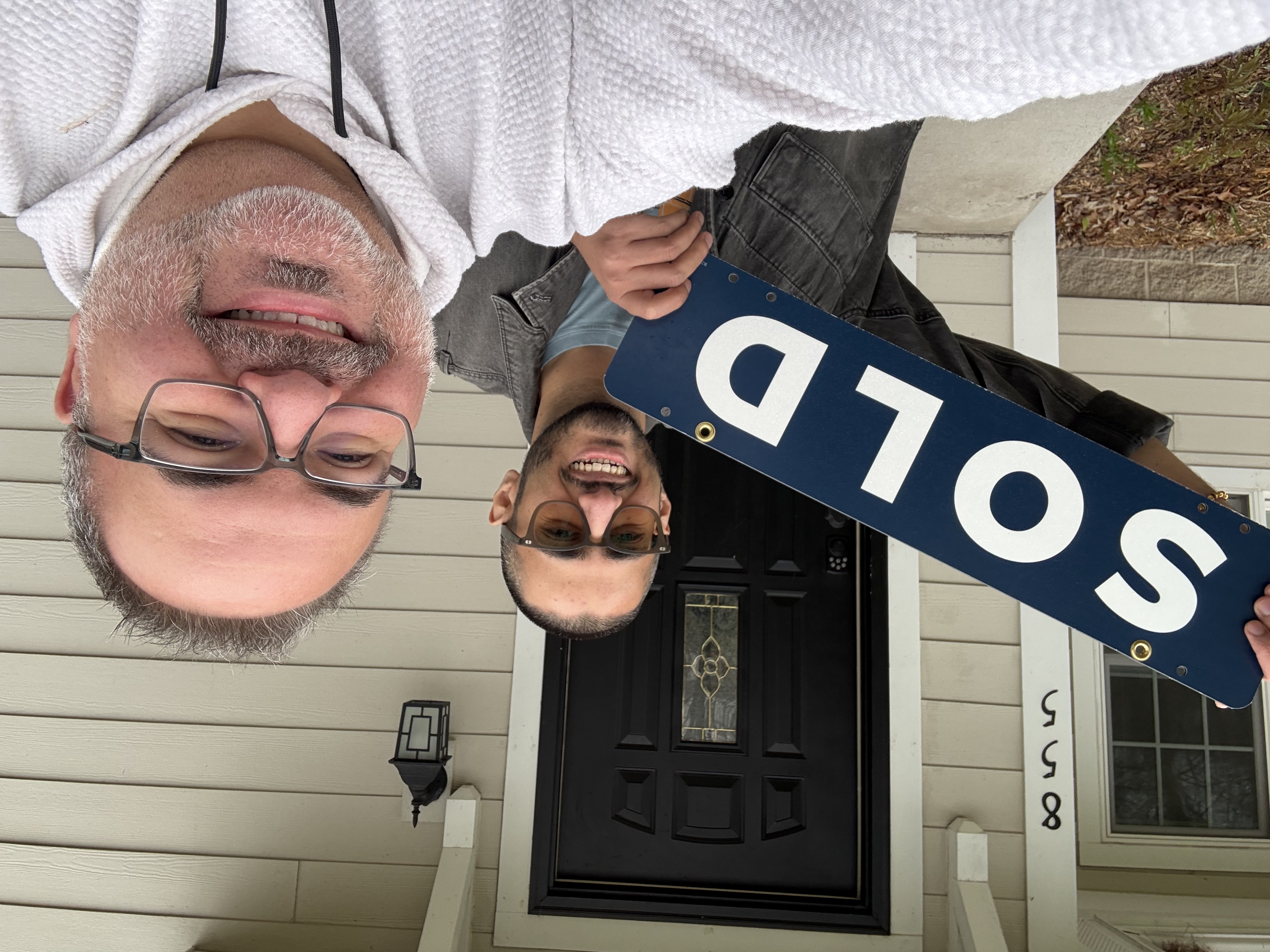
Most people think about the purchase price. They save up, they run the numbers, they think they've got it figured out — and then they get to the closing table and the total looks nothing like what they expected. The cost to buy a home in Eau Claire is more than just the number on the listing. There are upfront costs, ongoing costs, and a handful of line items that catch buyers off guard every single time. Let me break it all down so you're not one of them.
How Much Do You Need for a Down Payment in Wisconsin?
Let's start with the big one. The down payment is the chunk of money you bring to the table on day one — it's the portion of the purchase price you're paying out of pocket rather than financing through your mortgage.
The old rule of thumb was 20%. And sure, putting 20% down has its advantages — you avoid private mortgage insurance (PMI), your monthly payment is lower, and your offer can look stronger in a competitive situation. But plenty of buyers in the Chippewa Valley are getting into homes with a lot less than that.
Conventional loans
If you're going conventional, you can put as little as 3% down — though 5–10% is more common. On a $280,000 home (roughly the median price range you'll find in Eau Claire), that's $8,400 to $28,000. The tradeoff below 20% is PMI, which typically runs $50–$200/month depending on your loan size and credit profile. It's not permanent — it drops off once you've built enough equity — but it's a real cost to factor in.
FHA loans
FHA loans are backed by the federal government and are a popular choice for first-time buyers. They require as little as 3.5% down with a credit score of 580 or higher. The catch: FHA loans have mortgage insurance that works differently than conventional PMI and doesn't automatically cancel the same way. Worth knowing upfront.
VA and USDA loans
If you're a veteran or active-duty service member, a VA loan can get you to zero down — no PMI either. And if you're buying in a rural-designated area, USDA loans also offer 100% financing. Parts of the Chippewa Valley qualify.
WHEDA programs for Wisconsin buyers
Wisconsin has its own programs through WHEDA — the Wisconsin Housing and Economic Development Authority. Their loans pair competitive rates with down payment assistance for qualifying buyers. If you're a first-timer buying in Eau Claire or anywhere in the state, it's worth a conversation with a lender about whether you qualify. For more information on WHEDA programs, visit "WHEDA Homebuyer Programs"
What Are Closing Costs When Buying a Home in Eau Claire?
Here's where people get caught off guard. Closing costs are the fees you pay to make the transaction happen — they're separate from your down payment, and they're due at closing.
In Wisconsin, closing is handled by a title company. The title company coordinates the transaction, makes sure ownership transfers cleanly, and handles the pile of paperwork that comes with a real estate purchase. Their fees are part of what you'll see on the closing disclosure.
Generally speaking, expect closing costs to run 2–3% of the purchase price. On that same $280,000 home, that's roughly $5,600–$8,400. Here's what's typically included:
Lender fees
Origination fees, underwriting fees, and sometimes discount points (money you pay upfront to buy down your interest rate). These vary by lender, which is one reason it pays to shop around.
Title fees
Title search, title insurance, and the closing/settlement fee from the title company. Title insurance protects you — and your lender — against any claims on the property's ownership history. It's a one-time premium paid at closing. Worth every penny if something unexpected ever surfaces.
Prepaid items
This one surprises people. At closing, you'll prepay a portion of your homeowners insurance, property taxes, and mortgage interest. These go into an escrow account — a holding account your lender manages to make sure those bills get paid. It's not a fee exactly, just money that goes into your escrow reserves upfront. Plan for it.
Home inspection
Technically paid before closing, but it's a real cost — usually $350–$500 in the Eau Claire area. You want this done. It's the one chance you get to see the home with fresh, professional eyes before you commit.
Appraisal
Your lender will require an appraisal to confirm the home is worth what you're paying. Typically $500–$700, paid to a licensed appraiser. Sometimes collected upfront, sometimes rolled into closing costs depending on the lender.
Who Pays the Buyer's Agent in Wisconsin Now?
This one's changed in the last couple of years, and a lot of buyers don't know it yet. So let's talk about it.
Historically, the seller paid both their agent's commission and the buyer's agent commission out of their sale proceeds. That was just how it worked. After a major settlement involving the National Association of REALTORS® in 2024, the rules changed. Buyer agent compensation is now negotiated separately — and as a buyer, you may be responsible for paying your agent directly.
Before you tour a single home, you'll sign a buyer agency agreement. That document spells out what your agent's compensation is and how it gets paid. It's a good thing — it creates transparency that didn't always exist before. But it also means you need to understand it before you sign.
What does buyer agent compensation actually look like?
It varies. There's no set rate — it's negotiable, and it should be a conversation you have openly with any agent you're considering working with. In the Chippewa Valley, compensation structures differ, so ask. A good agent will explain exactly how they work and what you're agreeing to.
Can the seller still cover it?
Yes — and many do. Sellers can still offer to cover some or all of the buyer's agent compensation as part of the transaction. In a market where sellers want to attract buyers, offering to cover that cost is one way to do it. It's not guaranteed, but it's absolutely on the table and worth negotiating. Your agent can tell you what's realistic in the current market.
The bottom line: don't assume your agent is free, and don't assume you're on the hook for the full cost either. Know what you've agreed to, know what's negotiable, and make sure your agent is someone worth paying.
Can You Reduce What You Bring to Closing?
Yes — and this is something I talk through with every buyer I work with in the Chippewa Valley.
One common strategy is asking the seller to cover some or all of your closing costs. These are called seller concessions. In a market where homes are sitting longer, sellers are often willing to do this to get the deal done. In a hot, multiple-offer situation? Harder to ask. But it's always worth considering.
You can also ask your lender about a lender credit — where the lender covers some closing costs in exchange for a slightly higher interest rate. It's a tradeoff, and whether it makes sense depends on how long you plan to stay in the home.
And of course, if you qualify for WHEDA or another down payment assistance program, that can meaningfully reduce what you need to bring upfront.
What Does It Cost to Own a Home After You Close?
Buying a home is a one-time event. Owning one is an ongoing financial commitment. Here are the monthly and annual costs you need to build into your budget before you buy.
Property taxes
In Eau Claire County, effective property tax rates generally run around 1.5–2% of assessed value annually. On a $280,000 home, that's roughly $4,200–$5,600 per year, or $350–$467/month baked into your mortgage payment if you escrow.
Homeowners insurance
Expect to pay $1,000–$1,500/year for a standard policy in the Eau Claire area, though it varies based on the home's age, size, and your coverage levels. Shop this. Rates differ.
HOA dues
Not every home has a homeowners association, but if yours does, those dues are a real monthly line item. In the Chippewa Valley, HOAs are common in newer developments and condo communities. Ask about them early — before you're in love with a place.
Maintenance and repairs
The standard rule of thumb is to budget 1% of the home's value per year for maintenance. Some years you'll spend less. Some years the furnace dies in January. It's Wisconsin — plan accordingly.
Frequently Asked Questions
How much do I need saved to buy a home in Eau Claire?
At minimum, you're looking at your down payment plus 2–3% of the purchase price for closing costs, plus 2–3 months of mortgage payments as a cash reserve — which many lenders want to see. On a $280,000 home with 5% down, that's roughly $14,000 for the down payment, $5,600–$8,400 in closing costs, and a few thousand in reserves. Closer to $25,000 total before you start factoring in moving costs and immediate repairs.
What are typical closing costs in Wisconsin?
In Wisconsin, closing costs typically run 2–3% of the purchase price. They cover lender fees, title company fees, title insurance, your appraisal, and prepaid items like your first year of homeowners insurance and initial escrow deposits for taxes. Wisconsin is a title state, so a title company — not an attorney — handles the closing.
Can the seller pay my closing costs in Eau Claire?
Yes, this is called a seller concession, and it's negotiable. The seller agrees to credit you a set amount toward your closing costs, which reduces what you bring to the table. How realistic it is depends on the market conditions when you're buying. In a slower market, sellers are more open to it. Your agent can help you figure out what's a reasonable ask given current conditions.
Do I need 20% down to buy a house in Wisconsin?
No. Conventional loans can go as low as 3% down, FHA loans require 3.5%, and VA and USDA loans offer zero-down options for those who qualify. Putting less than 20% down typically means paying private mortgage insurance (PMI) until you've built up enough equity, but it absolutely doesn't disqualify you from buying. Plenty of buyers in the Chippewa Valley close with 5–10% down.
Are there first-time buyer programs available in Eau Claire?
Yes. Wisconsin's WHEDA programs offer competitive interest rates and down payment assistance for qualifying first-time buyers statewide, including Eau Claire. There are also USDA loan options for buyers looking outside the city limits in rural-designated areas. Talk to a local lender early — these programs have income limits and other requirements, and you want to know what you're working with before you start shopping.
Do I have to pay my real estate agent as a buyer in Wisconsin?
You might — but not necessarily out of pocket. Since 2024, buyer agent compensation is negotiated separately and spelled out in a buyer agency agreement you'll sign before touring homes. The good news is that sellers can still offer to cover some or all of that cost, and many do. The key is knowing what you've agreed to before you're deep in the process. Ask any agent you're considering how their compensation works before you sign anything.
Buying a home is probably the biggest financial move you'll make, and the last thing you want is to get blindsided by numbers you didn't see coming. Know your full cost picture before you start shopping — not after you've found a place you love. Knowing what's coming makes you a better buyer, a calmer buyer, and honestly, a more competitive one too.
Helping you home.

Brad Bemowski
Realtor and Licensed Real Estate Broker | Brad Bemowski | Homcentric Real Estate, powered by Property Executives Realty
or another way